

Magnesium, the fourth most abundant mineral in our body, is naturally present in many foods such as whole grains, leafy vegetables, beans, seeds and nuts. And yet, magnesium deficiency seems to be relatively common. This is mainly due to our eating habits, which requires additional health supplements to fill the gaps.
Why do you think Magnesium matters?
Magnesium is a natural relaxing mineral that’s involved in almost all of our bodily functions. It plays a very important role in hundreds of biochemical reactions such as muscle relaxing, relieving migraines, fighting against anxiety and stress levels, sleep quality improvement etc.
Now you know Magnesium is a key mineral for our bodies, but do you know which Magnesium to choose from? Remember, not all health supplements are the same. Learn how our Magelax can make a difference for you more below.
Why Magnesium Glycinate?
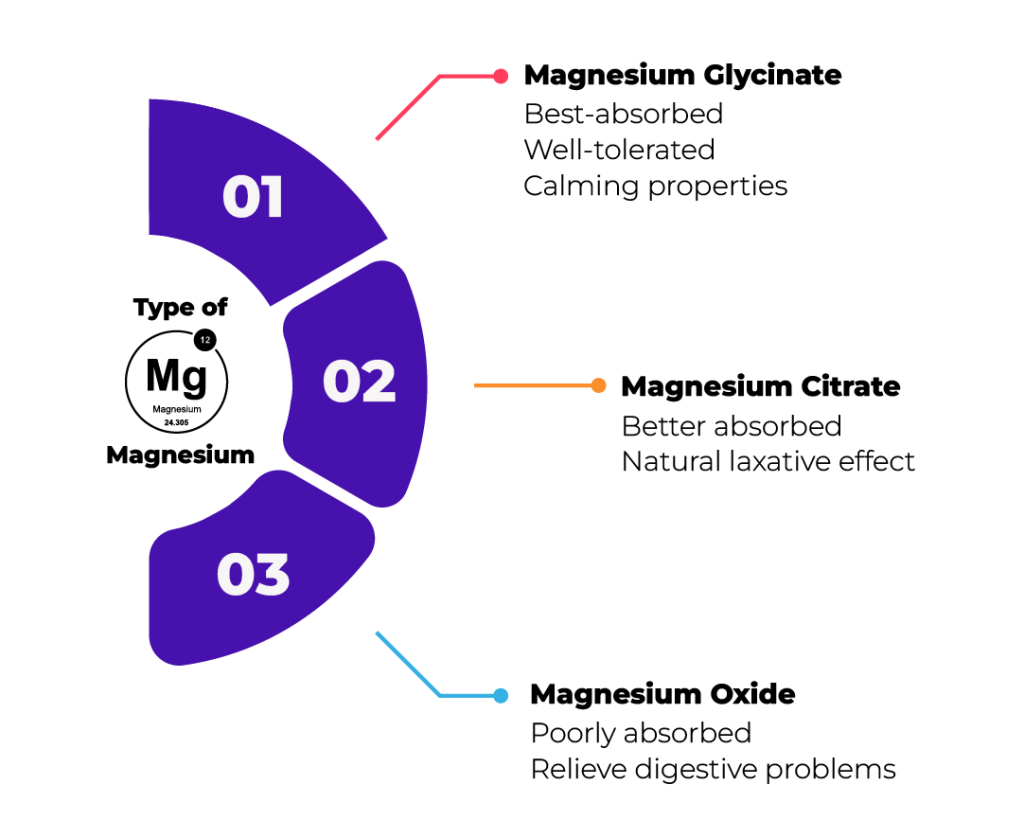
There are different types of magnesium that people can get from dietary supplements. Each type of magnesium has different properties as they can vary in terms of their medical uses, bioavailability, or potential side effect. Let’s have a look below on the following types of magnesium that are popular in market.
Magnesium glycinate (also known as magnesium bisglycinate), the key ingredient in ELDON DX MAGELAX, is a special form of magnesium that is attached to an amino acid called glycine. This bonding process, known as chelation, helps the body absorb magnesium more easily and makes it gentler on the stomach.
Among the many forms of magnesium available, magnesium glycinate is often considered one of the best choices for brain and nervous system support. This is because of glycine, the amino acid attached to the magnesium. Glycine not only helps build proteins in the body, but it also works as a calming neurotransmitter in the brain. It can cross into the brain and directly support relaxation and healthy brain activity.

Because of this unique combination, magnesium glycinate may help support conditions related to the brain and nervous system, such as migraines, difficulty sleeping (insomnia), and other age-related neurological concerns.
How Magnesium Glycinate Helps?
1. Muscle Relaxation
Muscle cramps are involuntary, localized, and usually painful skeletal muscle contractions, which commonly affects calf muscles.
Magnesium deficiency is one of the causes for cramping. If your body is magnesium-deficient, this can cause cramps, spasms, tightness and tension in your muscles and joints.
How Does Magnesium Glycinate Help in Muscle Relaxation


2. Migraine Headaches
Studies have found that people who have migraines headaches tend to have lower levels of magnesium than people who don’t get headaches. Magnesium relieves migraine by blocking the signals in the brain that lead to migraines and pain. It prevent brain nerves from overstimulation and contraction of the blood vessels in the brain.

3. Mental Relaxation
Magnesium’s beneficial effects on mood and stress are so well-known that the mineral has nicknames like “the original chill pill” and “nature’s valium.”
Magnesium aids in the conversion of tryptophan into serotonin, the neurotransmitter often referred to as the “happy hormone.” This supports emotional stability and mood regulation. It is also acts as Gamma-aminobutyric acid (GABA) receptor agonist, further supports its calming effects on the nervous system, helping to reduce excitatory activity and promote mental relaxation.
Studies have found an inverse relationship between magnesium intake and the prevalence of depression in adults. In fact, rapid improvement in depressive symptoms has been reported with magnesium glycinate and magnesium taurate supplementation, though it’s important to note that these observations are based on individual case histories rather than large-scale clinical studies.

Signs you might have Magnesium deficiency
Many people have low magnesium levels without realizing it, as symptoms of inadequate magnesium may not always be obvious.
It’s important to be aware of the early signs of magnesium deficiency: